Alocasia macrorrhizos
15 monthsCamouflage
I knew almost nothing about plants. Then I started asking AI questions. A lot of questions.
What started as basic plant care slowly turned into propagation systems, grow cabinets, rare Alocasias, semi-hydro experiments, and eventually people asking me to teach them.
The interesting part isn't that AI knew about plants. It's how my relationship with it changed once I did too.
I wasn't secretly a plant person.
In July 2025, I was still asking whether putting a small plant in a big pot was bad. I built a little greenhouse bin and needed help figuring out how much to mist it. When plants arrived in the mail, I wasn't sure whether I should immediately repot them or leave them alone.
I even needed help understanding how the wick in a self-watering pot was supposed to sit.
AI was useful because there was basically no question too stupid to ask. And I had a lot of stupid questions.
Is a small plant in a big self-watering pot bad?
Should I pot this right after it arrives?
How is this wick actually supposed to work?
What's the best medium for an Alocasia corm?
I'm learning terracotta isn't for me.
The questions got more specific pretty quickly.
The useful part wasn't getting an answer. It was being able to immediately try it on something living.
A plant would root or rot. A leaf would burn. A corm would sprout. A cutting would stall. A plant would suddenly explode with roots.
The subject pushed back.
The plants were the eval.
Over time I stopped treating every recommendation like a rule and started building my own system from what actually worked in my house. That eventually included things like:
The vague advice started becoming variables I could actually control.
Somewhere along the way, AI stopped being the authority. I had enough reps to disagree with it.
I learned that I don't like terracotta for the way I grow. I prefer waiting for a substantial root system before certain transitions. I got comfortable keeping growth points exposed, controlling reservoir depth, deciding when a corm was ready to move, and choosing media based on what stage a plant was actually in.
Sometimes AI would suggest something and my response was basically:
MeNo. That's not what I'm seeing.
And then we'd work backward from the evidence. That's when it became much more useful.
AI wasn't replacing experience anymore.Experience was making the AI better.
At the beginning
“What's the right way to do this?”
Later
“Here's what happened, here's my theory, and here's what I'm changing next.”
There probably should have been a point where I said, "Cool, I know how to keep a Monstera alive."
That point did not happen.
(still going)
My setups eventually included Soltech and Barrina grow lights, dedicated Milsbo cabinets, controlled humidity and temperature, self-watering propagation cups, and enough different substrates to make explaining "soil" complicated.
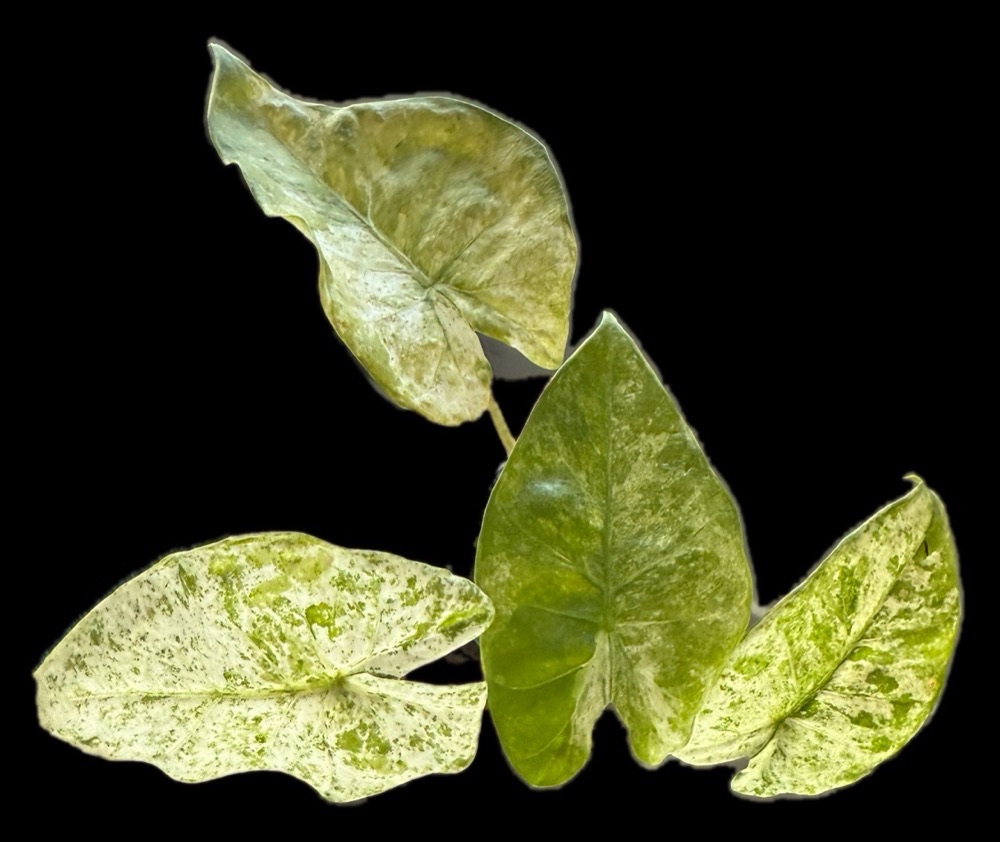
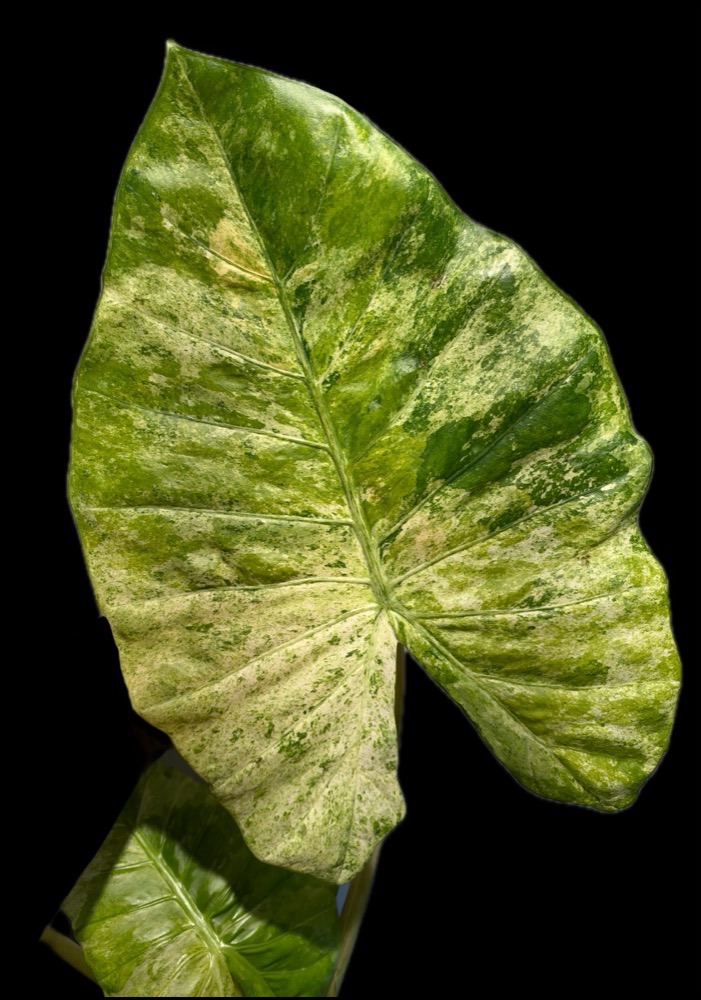
I was growing and propagating things like White Monster Monsteras, Aureas, rare Alocasias, Pink Venom, Pink Cuprea, Regal Shield Albo, and a growing list of plants I absolutely did not need.
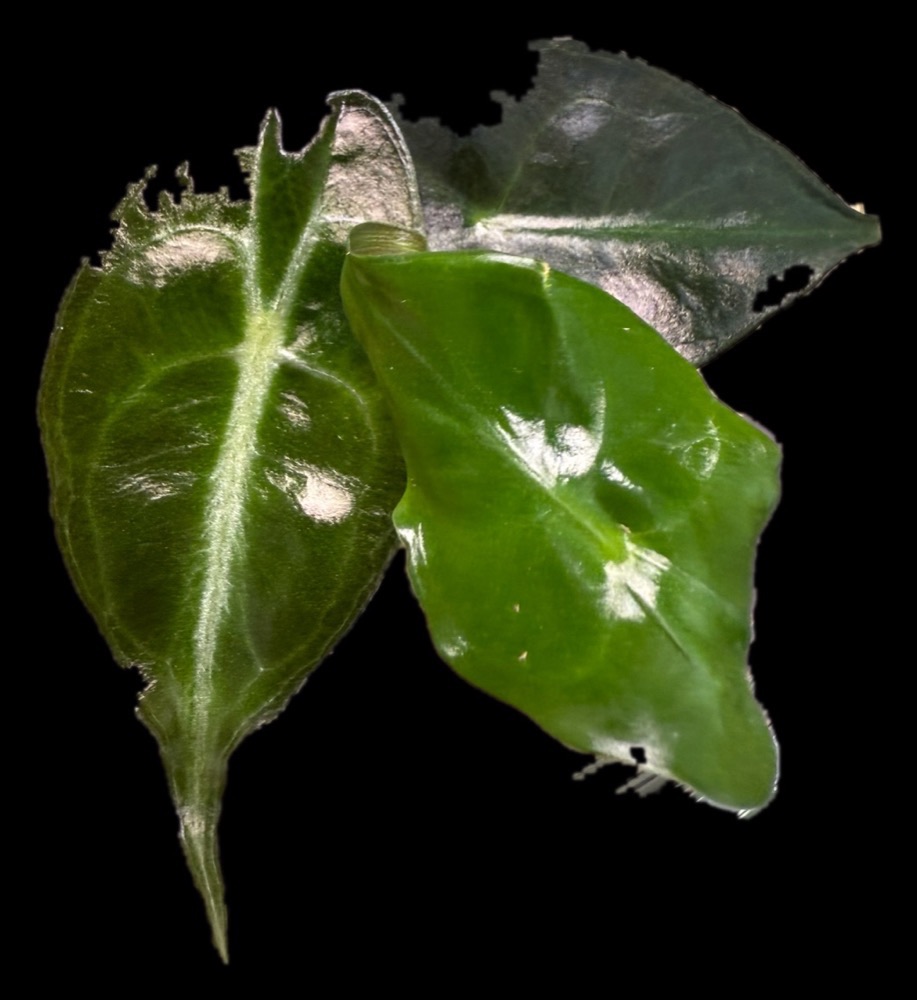
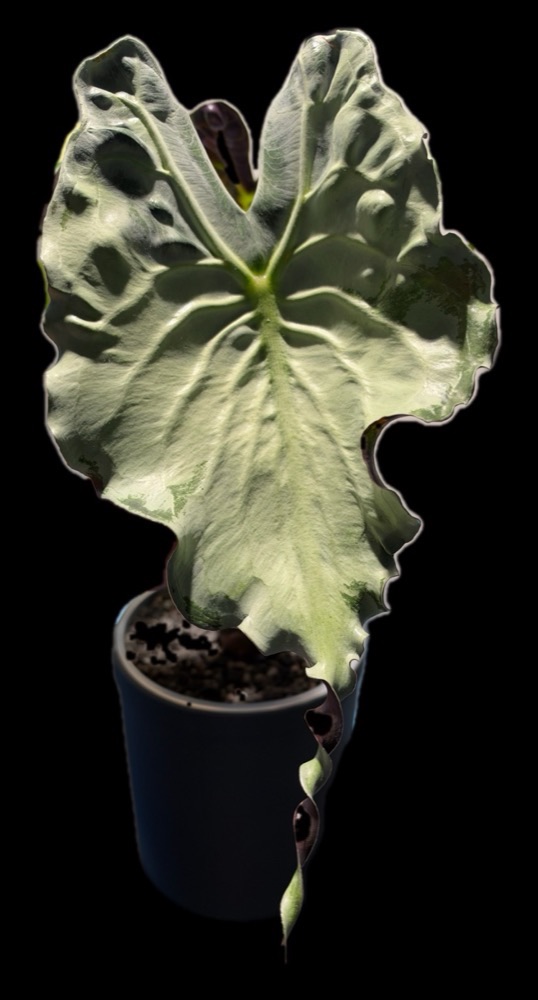
The same plants, photographed when I got them and again this week. All of them except the Camouflage started out as tissue-culture plantlets.
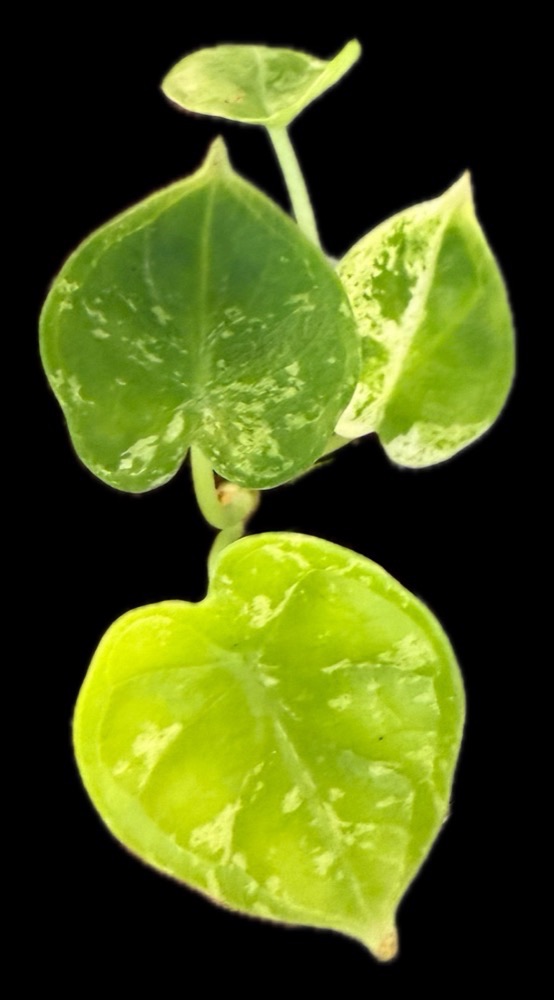
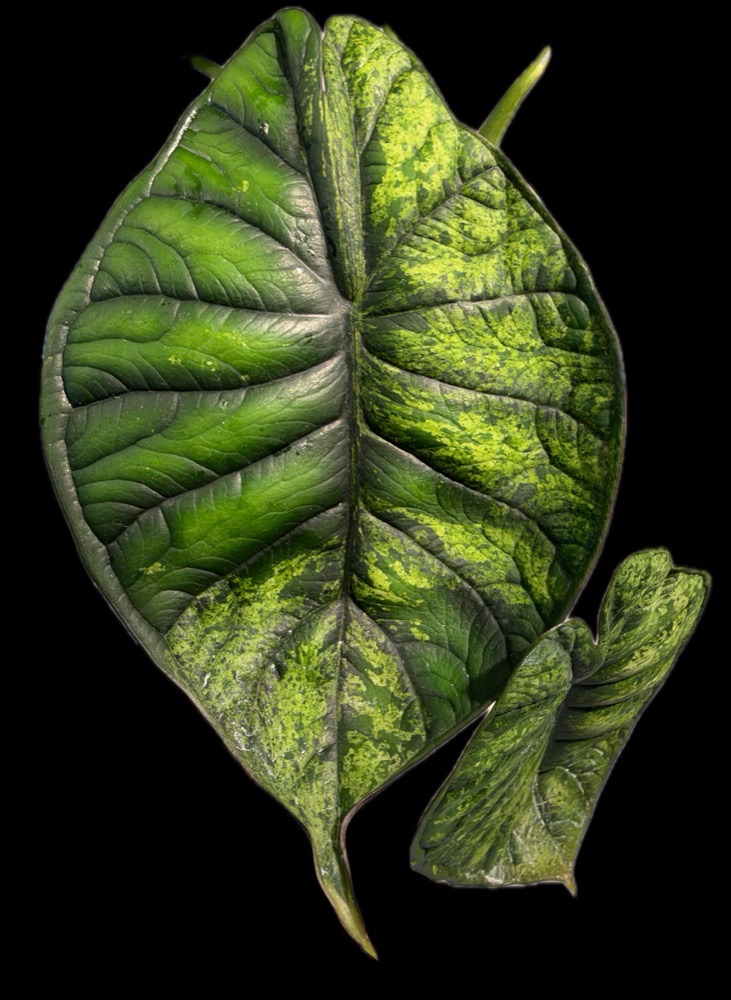
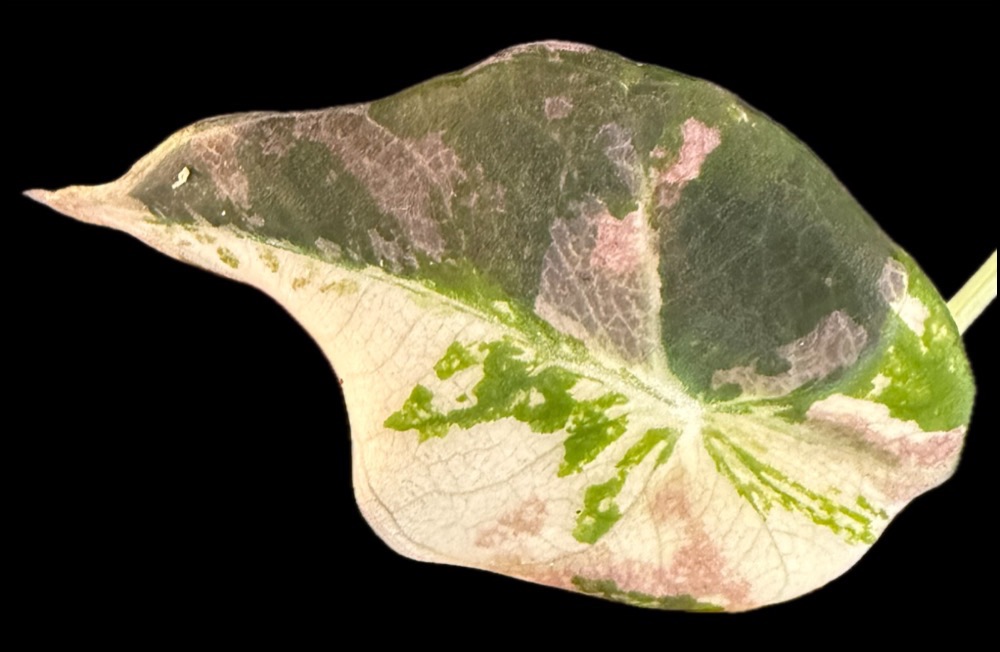
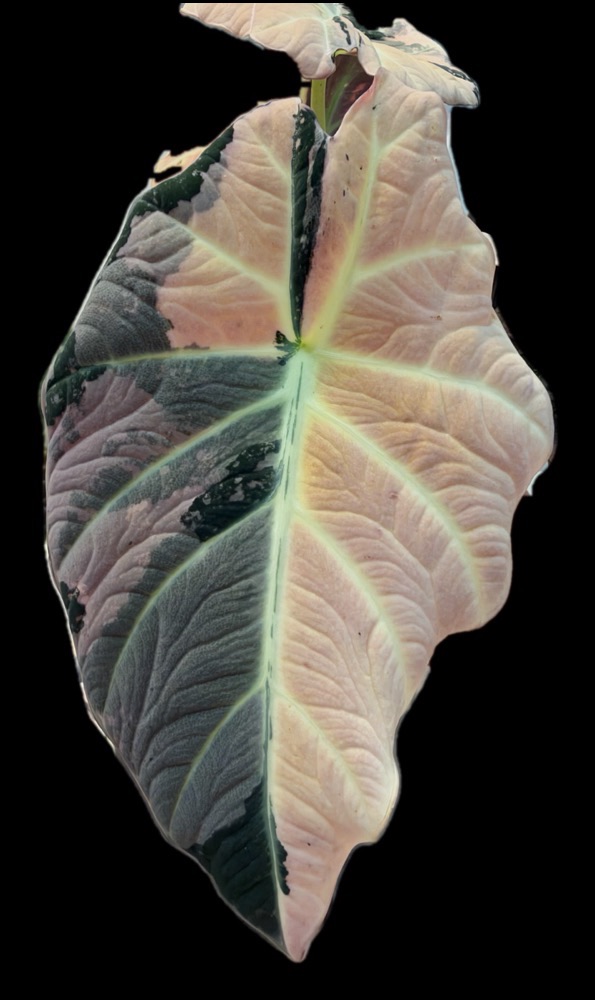
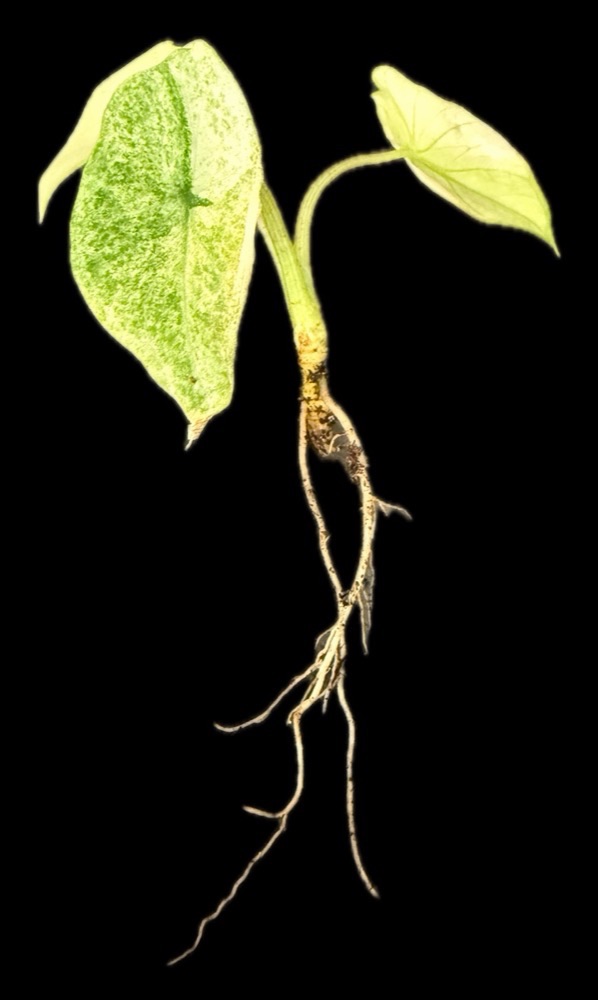
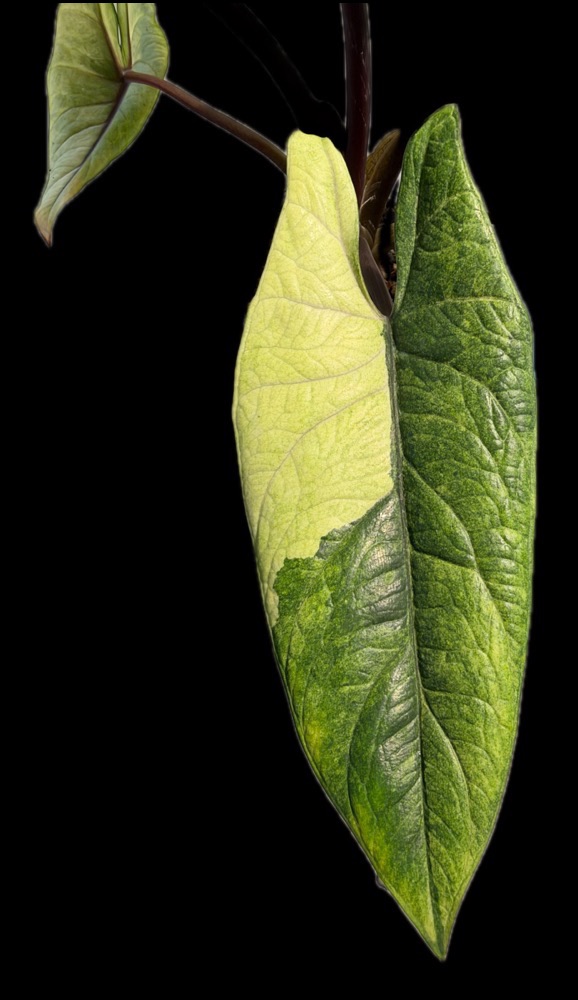
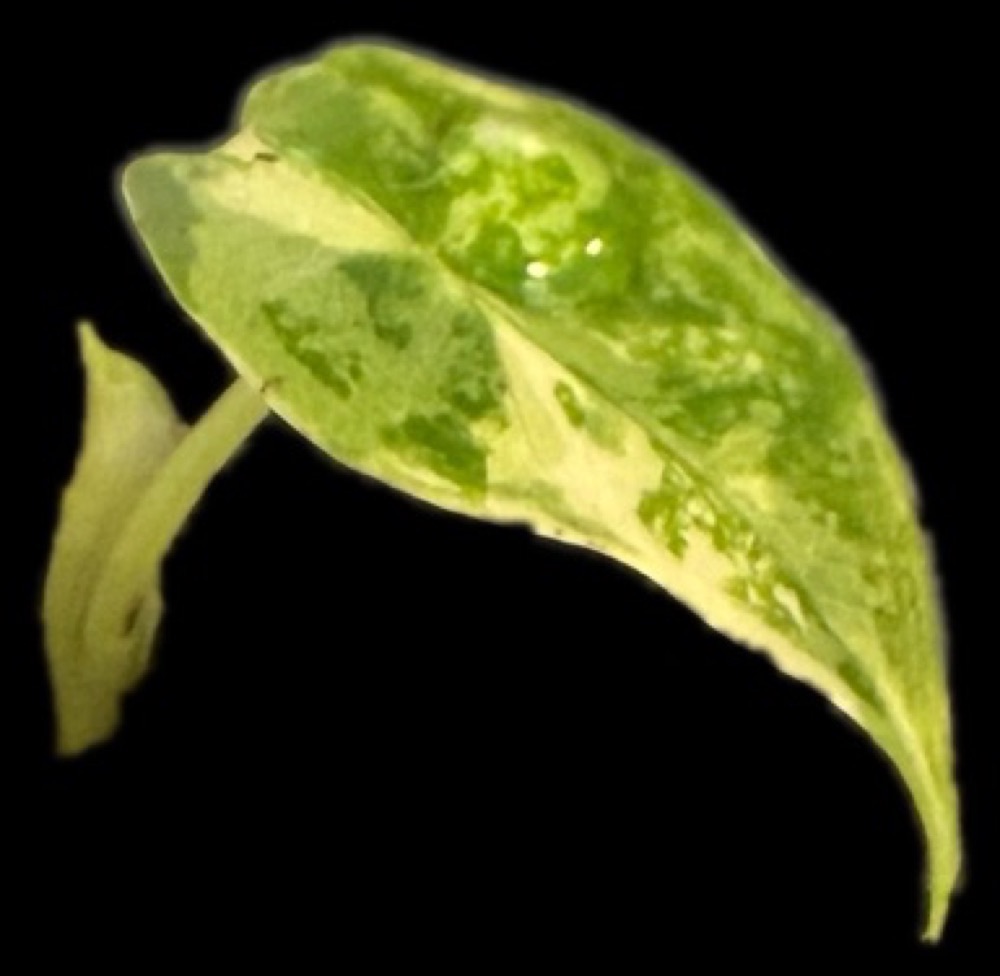
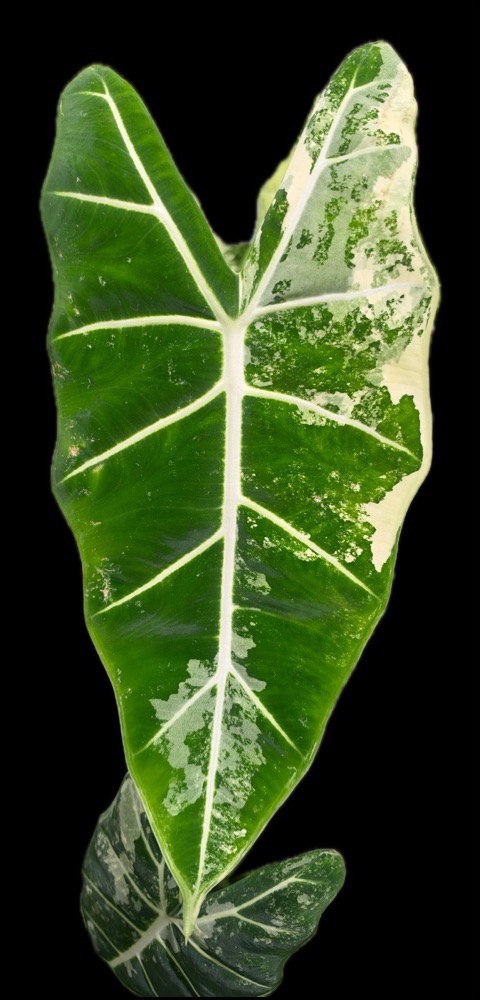
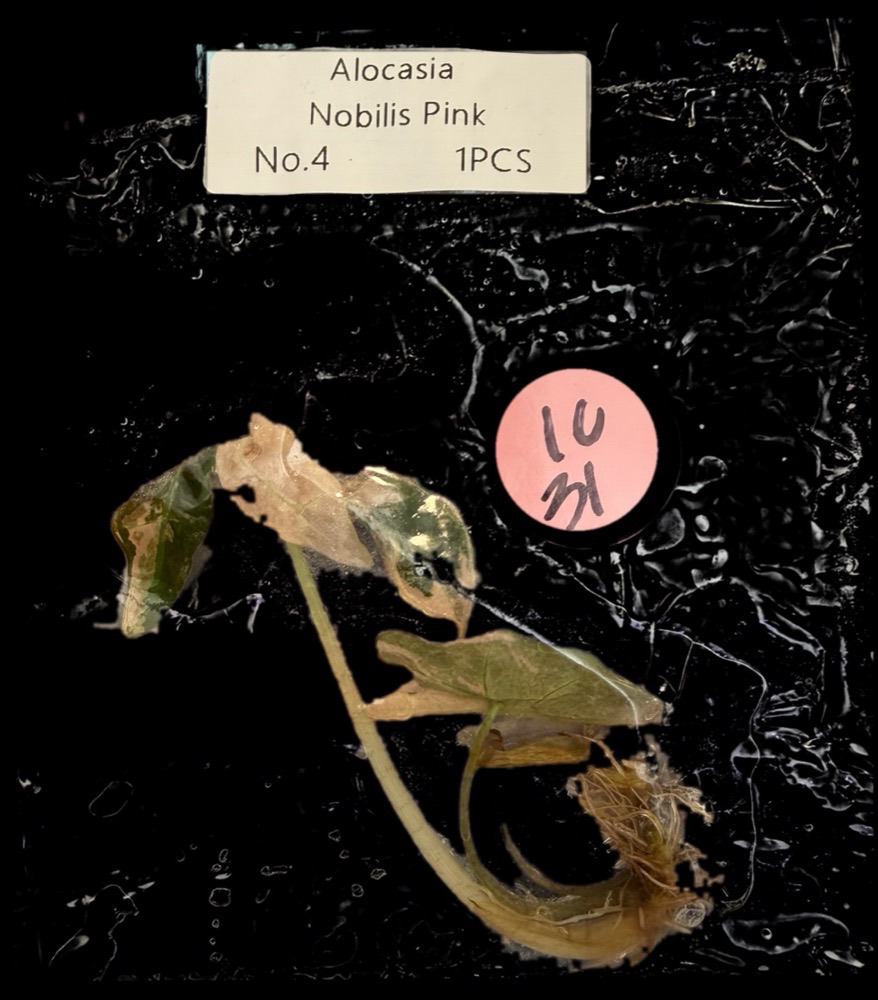
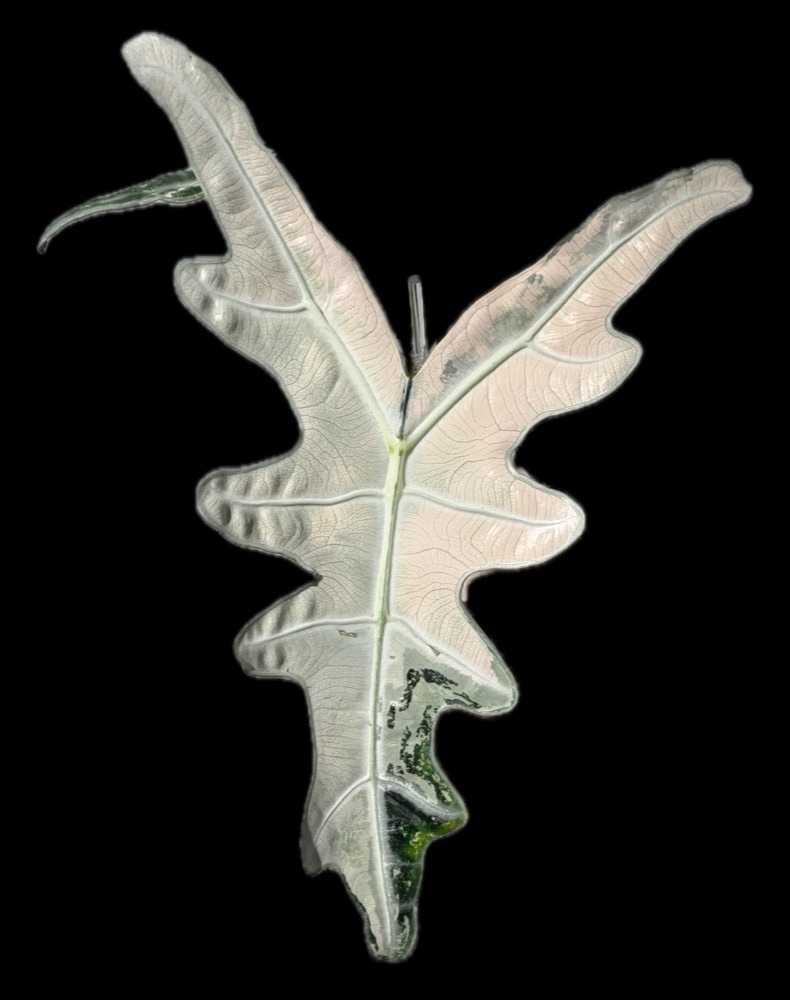
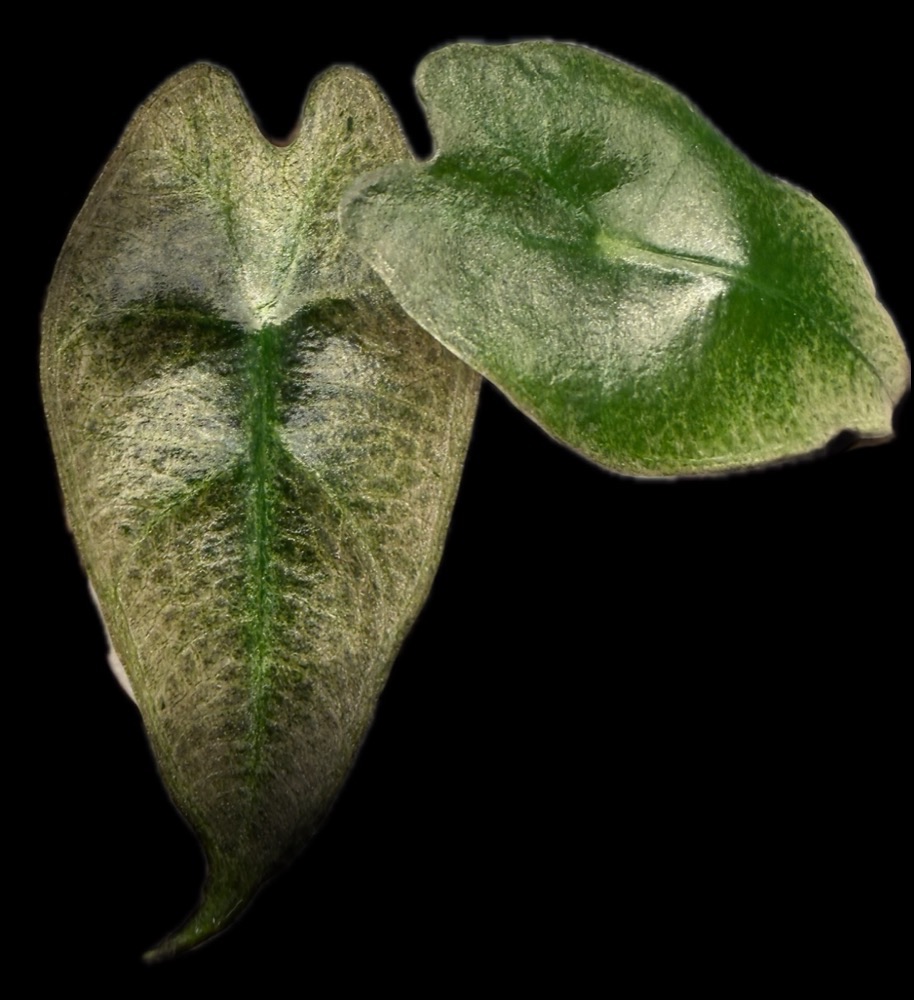
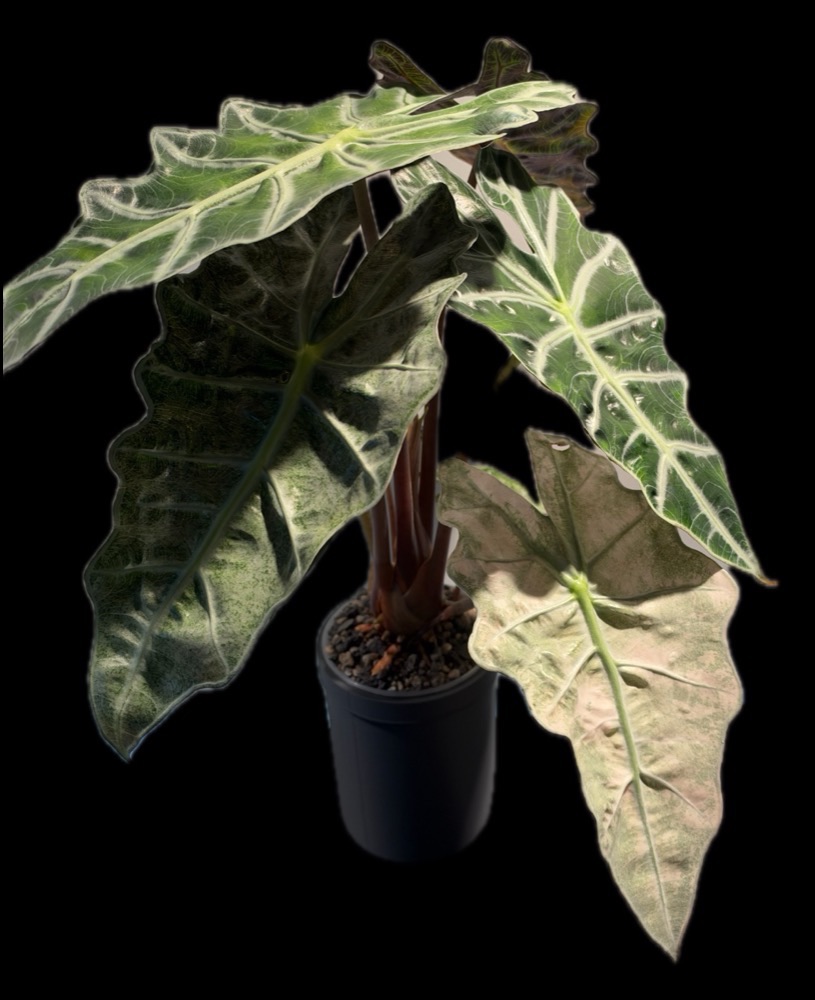
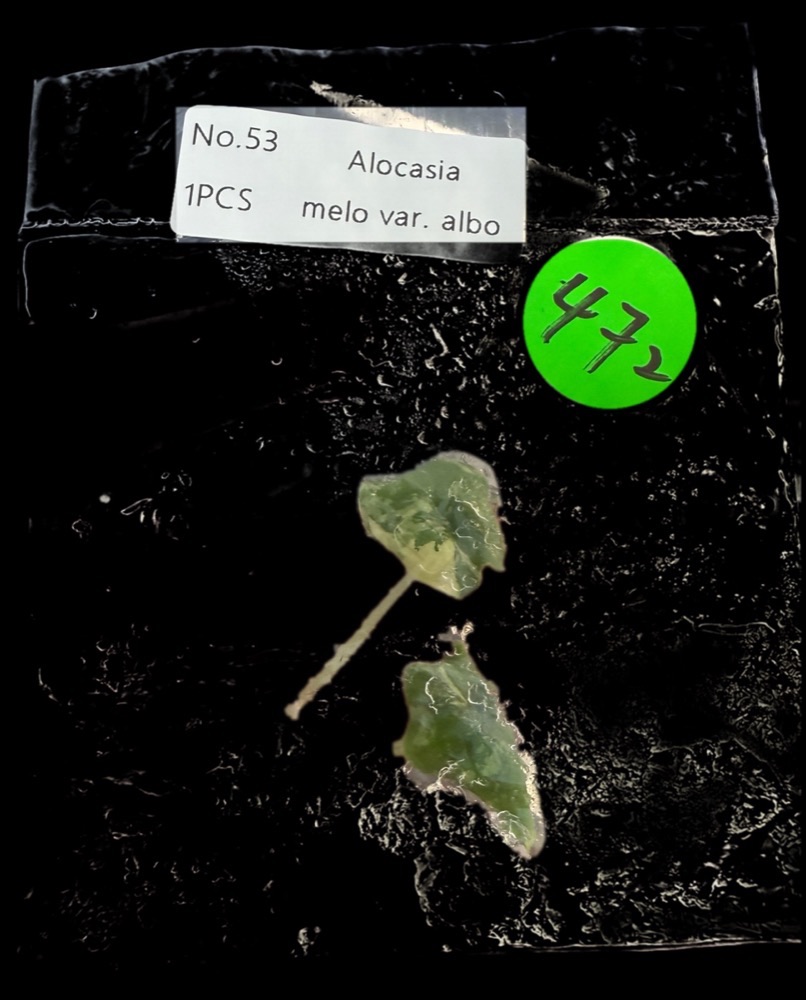
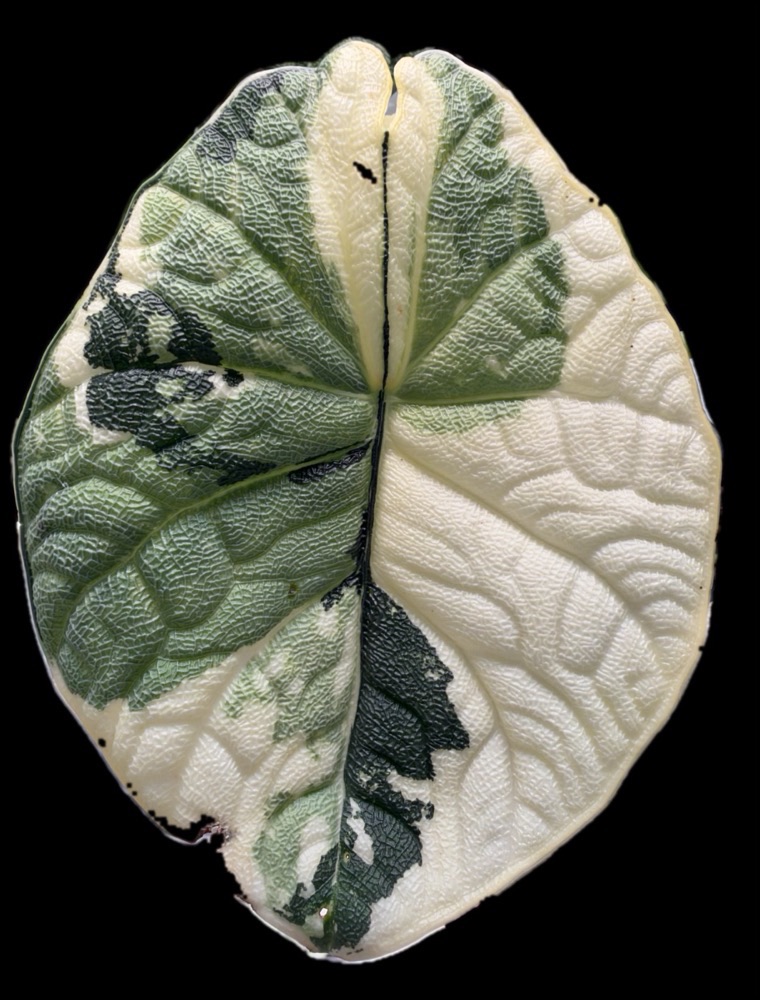
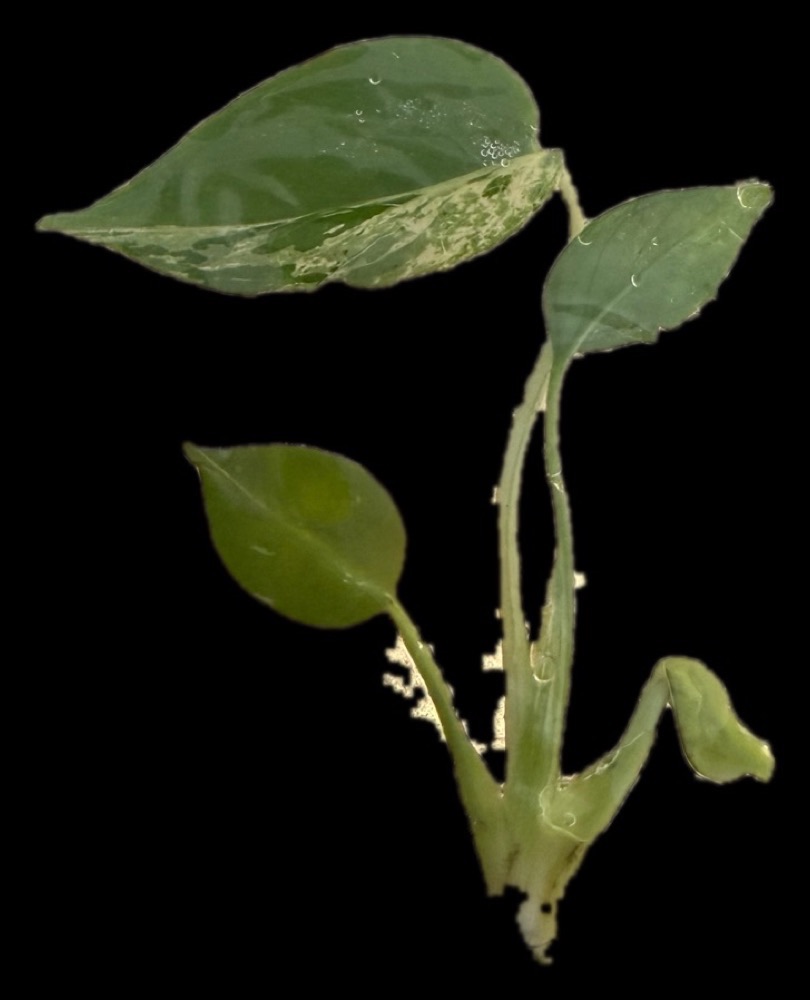
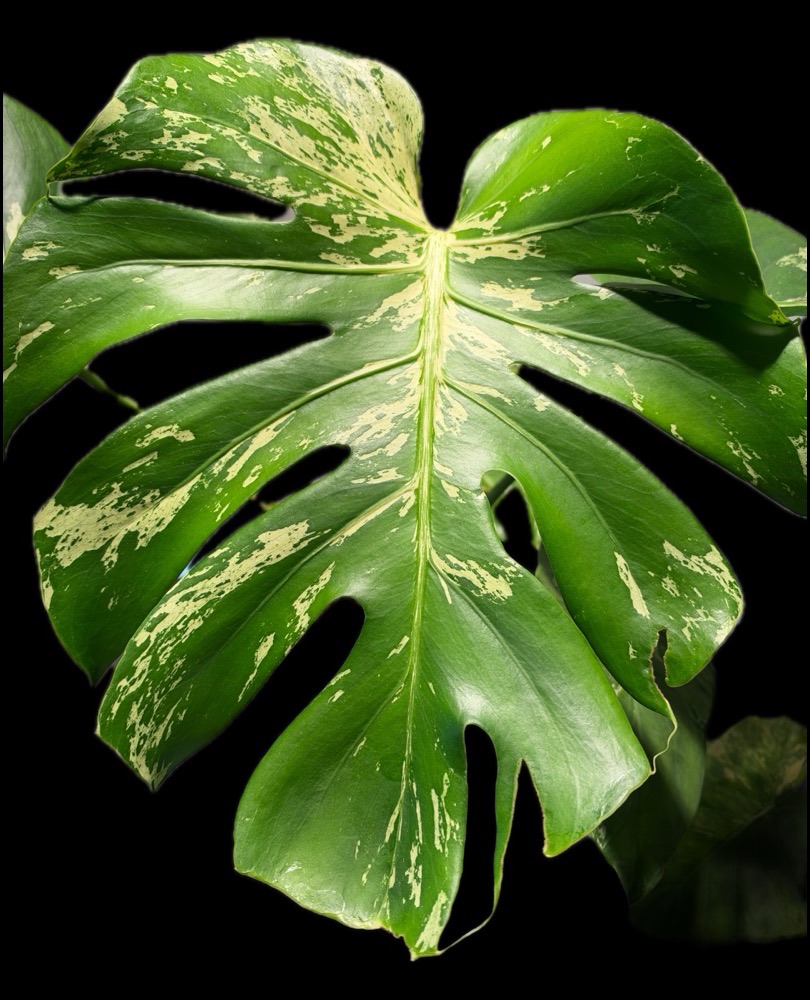
In August 2026, I brought around 40 plants I'd propagated to a meetup at Country Gardens and gave them away.
I spent the evening repotting rooted plants, explaining corm propagation, talking about semi-hydro, and walking people through how I manage light, humidity, nutrients, and media.
At one point, employees were writing the setup down. Then they asked if I'd come back and teach a class.
I'm not pretending a year of obsessive plant collecting turned me into a botanist. But going from
Jul 2025“Is this pot too big?”
Aug 2026“Can you teach people how you do this?”
was a pretty good signal that something had changed.
I'd been growing plants that started out as tissue-culture plantlets for over a year. Naturally, the response to finally having a manageable hobby was to learn how to make tissue cultures myself.
In September 2026 I started designing what a small specialty lab could look like. The idea isn't a giant commercial operation. It's a small-batch lab focused on unusual collector plants, especially rare Alocasias.
Early thought experiment
Plants like Regal Shield Albo, Pink Cuprea, Melo Albo, and other rare variegated Alocasias.
I started researching sterile technique, media, plant growth regulators, acclimation, equipment, packaging, lab layout, and whether bags made more sense than jars.
None of it exists yet. It's still a future experiment.
Apparently "learn how to take care of plants" had some scope creep.
Before AI, every tiny question meant finding the right terminology, searching forums, reading conflicting advice, and figuring out whether the answer even applied to my situation.
With AI I could ask the tiny question immediately. That matters when learning something new, because beginners mostly have tiny questions.
I couldn't research "corm propagation," "semi-hydro," "PPFD," "node rot," or "tissue culture acclimation" until I knew those concepts existed.
AI helped build the map of the domain. Once I had the map, I could research much more intelligently.
One isolated plant question isn't especially interesting. Hundreds of questions about the same plants, environment, failures, lights, substrates, fertilizer, and experiments are.
The more context accumulated, the less each conversation had to start from zero.
AI could make a recommendation. The plant got the final vote.
If the roots hated it, the recommendation was wrong for my setup. That feedback loop kept the whole thing grounded.
Not understanding something for three weeks because you're embarrassed to ask is worse than asking a machine a ridiculous question in five seconds.
"Bright indirect light" is annoying. 8,000 lux is useful. Numbers turned opinions into experiments.
Changing the light, media, nutrients, pot, humidity, and watering at the same time makes it impossible to know what actually helped.
The goal was never to become really good at following AI advice. The goal was to become good enough that I didn't need to.
AI helped me learn plants. The plants taught me when the AI was wrong.